

Table of Contents
Scaphism was an ancient Persian method of execution designed to prolong suffering through exposure, decay, and insect activity. Often called the “milk and honey torture”, it involved trapping a victim between wooden structures, force-feeding them, and leaving them exposed to the elements and vermin.
Few punishments from antiquity have earned such a grim reputation. Scaphism stands out not just for its brutality, but for how deliberately it stretched out the dying process. It wasn’t simply about execution. It was about endurance, spectacle, and fear.
To understand what scaphism torture really was, we have to look beyond the shock value and examine its origins, mechanics, and purpose in the wider context of ancient justice.
What Is Scaphism?
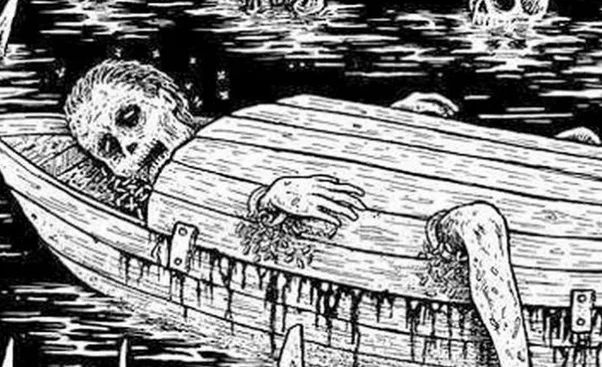
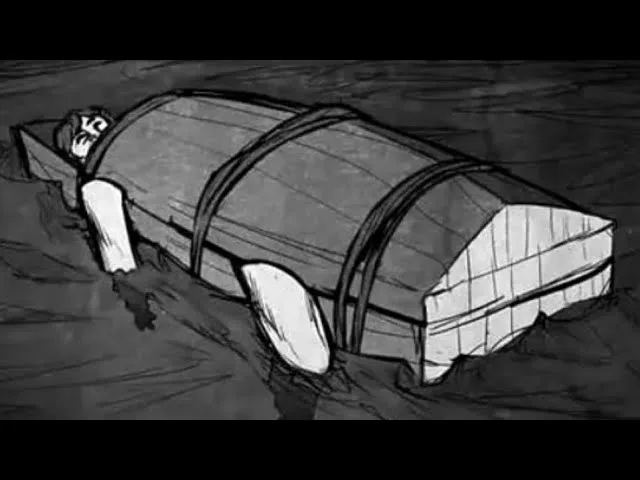
The term scaphism comes from the Greek word “skaphe,” meaning a hollow vessel or trough. The name reflects the method itself. Victims were placed inside two fitted wooden enclosures, often described as boats, that encased the body while leaving the head, hands, and feet exposed.
Once restrained, the victim was force-fed a mixture of milk and honey. This was not done for nourishment in any humane sense. The mixture induced digestive distress and, combined with the victim’s immobility, created unsanitary conditions within the enclosure.
The same sticky substance was spread across the exposed skin. This attracted insects in large numbers. Over time, the victim faced a combination of dehydration, infection, and sustained attack from vermin drawn to the body.
That is why the method is often referred to as milk and honey torture. The phrase sounds almost gentle, but the reality was anything but.
Key Elements of Scaphism Torture
- Confinement in a tight wooden apparatus
- Force-feeding with milk and honey
- Exposure to sun, water, and insects
- Prolonged physical and psychological suffering
Death did not come quickly. Accounts suggest it could take days, sometimes longer, depending on conditions.
Origins in Ancient Persia
Most references to what is scaphism torture point to ancient Persia, particularly during the Achaemenid Empire around the 5th century BC. Greek writers such as Plutarch described the practice, often emphasizing its cruelty.
Because these descriptions come from outside Persia, historians sometimes debate how frequently scaphism was actually used. Greek authors had their own biases, especially when portraying rival empires. Still, even with that caution, the method has remained part of historical discussion about extreme punishments.
Within the practices of ancient civilizations, harsh and highly visible penalties were not unusual. Public suffering served a purpose beyond the individual being punished.
Whether scaphism was common or rare, its reputation alone made it powerful.
A Punishment Meant to Be Seen
Scaphism was not carried out in secrecy. Like many ancient punishments, it was often meant to be witnessed. The drawn-out nature of the ordeal turned it into a warning.
Authorities used such methods to reinforce control. The message was simple: defy the system, and the consequences would be unforgettable.
This public dimension is key to understanding why such a method existed at all. It combined physical torment with psychological impact, not only on the victim but on everyone watching.
In that sense, scaphism fits into a broader pattern of punishment used by infamous figures known for their cruel methods. The goal was never just justice. It was deterrence through fear.
Physical and Psychological Effects
What made scaphism particularly horrifying was the combination of slow physical decline and mental strain. The victim remained conscious for much of the ordeal, aware of what was happening but unable to stop it.
The process involved several overlapping forms of suffering:
- Dehydration and starvation over time
- Infection from wounds and exposure
- Insect activity drawn by the environment
- Extreme discomfort and immobility
The mental aspect cannot be overlooked. Knowing that death would not come quickly added another layer of torment. In many ways, the anticipation became part of the punishment.
Was Scaphism Really Used?
Modern historians approach the subject carefully. While ancient texts describe scaphism in detail, there is ongoing debate about how widespread it truly was.
Greek sources, especially, may have exaggerated certain practices to portray Persian rulers as excessively cruel. This was not uncommon in historical writing, particularly between rival cultures.
That said, even if the exact frequency is uncertain, the concept itself aligns with known practices of extreme punishment in antiquity. Methods that combined exposure, restraint, and public display were not unheard of.
So while some details may be embellished, scaphism remains a plausible, if extreme, example of ancient punitive imagination.
Comparisons With Later Punishments
Looking at scaphism from a modern perspective raises uncomfortable questions. While contemporary systems avoid such overt brutality, the underlying ideas of punishment and deterrence still exist.
Capital punishment, for example, continues in some parts of the world. It is carried out in more controlled settings, often described as humane, but it still serves as a warning as much as a sentence.
The difference lies in method, not always in intent. Ancient societies used spectacle. Modern systems rely on procedure and distance.
That contrast makes scaphism feel especially distant, yet it also reminds us how ideas about justice evolve rather than disappear entirely.
Why Scaphism Still Fascinates People
There is a reason people still search for what is scaphism today. It sits at the edge of what most consider imaginable.
Part of that fascination comes from its sheer extremity. Another part comes from the uncertainty around it. Was it real? Was it exaggerated? Or was it something in between?
History is full of uncomfortable truths, and scaphism occupies that space where documentation, myth, and human imagination overlap.
FAQ
What is scaphism torture?
Scaphism torture was an ancient execution method in which a person was confined between wooden structures, force-fed milk and honey, and left exposed to insects and the elements, leading to a slow death.
Why is scaphism called milk and honey torture?
The name comes from the use of milk and honey to both feed the victim and coat their body, which attracted insects and worsened the conditions inside the enclosure.
Where did scaphism originate?
Scaphism is most commonly associated with ancient Persia, particularly during the Achaemenid Empire in the 5th century BC.
Was scaphism actually used in history?
Historical accounts describe it, mainly from Greek writers, but some historians question how frequently it was practiced or whether details were exaggerated.
How long did scaphism take to kill someone?
Death was typically slow and could take several days, depending on environmental conditions and the victim’s physical state.
