

Table of Contents
Stories about the kings of hell have circulated for centuries, shaped by religion, folklore, and occult traditions. These figures were not part of a single unified belief system but emerged from a patchwork of texts that tried to map the structure of Hell and its rulers.
Short answer: The “9 kings of hell” most commonly referenced today come from early modern demonological texts like the Lesser Key of Solomon. These demon kings, including Bael, Paimon, and Belial, were believed to command vast legions of demons and hold authority within a structured infernal hierarchy.
Where Do the Kings of Hell Come From?
The idea of demon kings did not appear overnight. It developed gradually through religious writings, mystical traditions, and medieval scholarship. Jewish, Christian, and Islamic traditions all contributed fragments to a larger picture, though none agree completely.
Some of the most influential descriptions come from grimoires, especially the Pseudomonarchia Daemonum and the Lesser Key of Solomon. These works attempted something unusual: they organized demons into ranks, almost like a royal court.
In these texts, Hell is not chaos. It has structure. Kings sit at the top, followed by princes, dukes, and other ranks. This hierarchy reflects the complex dynamics of medieval beliefs about demons, where even evil was imagined as ordered and governed.
Across different traditions, there are many rulers of Hell. Some systems describe dozens of kings. Others emphasize a smaller group, often focusing on nine principal figures.
The 9 Kings of Hell in Demonology
The so-called 9 kings of hell are among the most powerful entities described in early demonological literature. Each one commands legions of spirits and possesses distinct abilities, appearances, and roles.
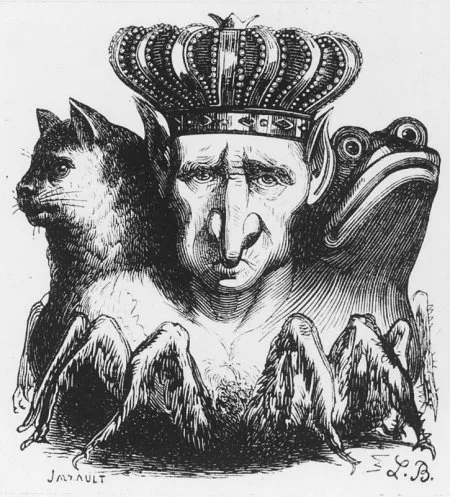
1. Bael: The First King
Bael is typically listed first among the demon kings. He is said to grant invisibility and knowledge, and his appearance varies wildly depending on the source. Some describe him with multiple animal heads, including a cat and a toad.
He commands sixty-six legions and is often associated with the eastern regions of Hell. Scholars have long noted his possible connection to the ancient Canaanite god Baal, linking him to the ancient origins of mythological concepts of kings.
2. Paimon: The Teacher King
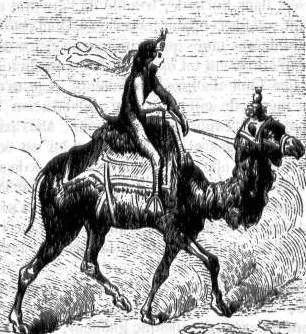
Paimon is one of the most recognizable demon kings. Often depicted riding a camel and accompanied by a procession, he is known as a bringer of knowledge.
He is said to answer any question truthfully and commands sixty-six legions. In many accounts, he must be instructed to speak in a language the summoner understands.
3. Beleth: The Fearsome King
Beleth, sometimes spelled Byleth, appears as a terrifying figure often associated with feline imagery. He commands eighty legions, one of the largest forces among the kings.
Summoning him, according to tradition, required courage and strict ritual precision. His arrival is said to be heralded by music.

4. Purson: The Knower of Secrets
Purson is depicted as a lion-headed figure riding a bear and carrying a serpent. He commands twenty-two legions.
Like several other demon kings, he is believed to reveal hidden knowledge, including events from the past and future. He is also associated with familiars, supernatural assistants used in magical practices.
5. Asmodeus: The King of Desire
Asmodeus appears across multiple religious traditions, not just in grimoires. He is often depicted with three heads and associated with lust.
In some legends, he assists King Solomon in constructing the Temple in Jerusalem. His presence in religious and literary texts makes him one of the infamous characters within historical contexts of hell.
6. Vine: The Builder and Destroyer
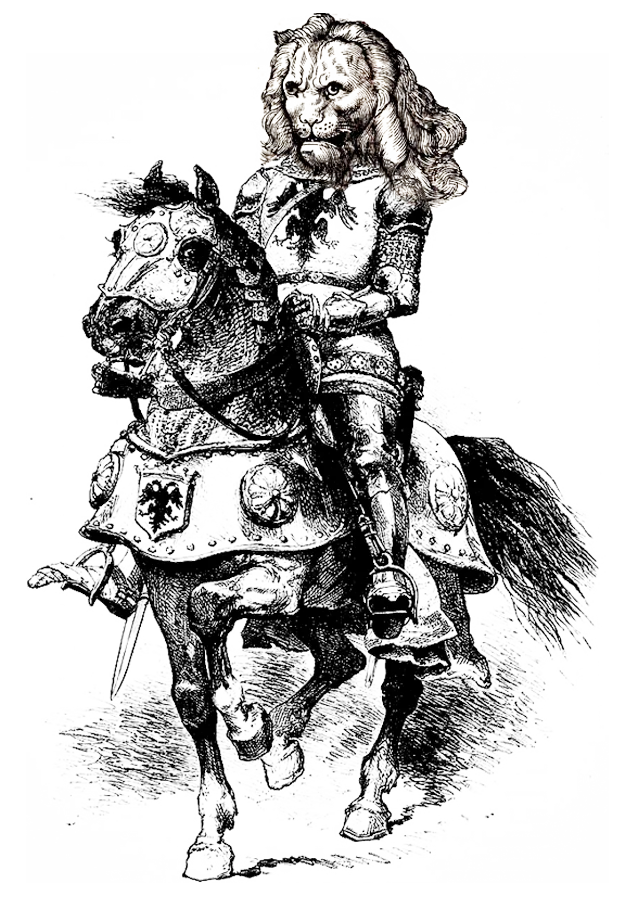
Vine commands thirty-six legions and is described as a lion riding a black horse. His abilities are unusual among the demon kings.
He is said to both construct and destroy structures, especially walls and towers, reflecting imagery tied to siege warfare in the medieval world.
7. Balam: The Three-Headed King
Balam is another multi-headed demon, often shown with features of a bull, ram, and human. He commands forty legions.
He is believed to grant invisibility and insight, and his name may be linked to the biblical figure Balaam, known for leading others astray.
8. Zagan: The Transformer
Zagan stands out for his transformative powers. He is said to turn substances into others, such as water into wine or metals into coins.
Commanding thirty-three legions, he also appears as both a king and a president within the infernal hierarchy.
9. Belial: The Embodiment of Corruption
Belial has deep roots in biblical tradition, where his name is associated with wickedness and moral decay. Over time, he evolved into a distinct demonic figure.
Some traditions place him second only to Lucifer, while others elevate him even higher. In certain texts, he represents direct opposition to divine authority.
Who Is the King of Hell?
This question has no single answer. Different traditions offer different rulers.
- In many Christian interpretations, Lucifer is the supreme ruler.
- Some texts elevate Beelzebub or Belial.
- Grimoires like the Lesser Key of Solomon present a council of rulers, including the 9 princes of hell.
The lack of agreement reflects the fragmented nature of demonology itself. There was never one authoritative system, only competing interpretations.
The Role of Demon Kings in Belief and Culture
The demon kings were not just figures of fear. They also represented curiosity about hidden knowledge, power, and the unknown.
In medieval and early modern Europe, these entities were studied as part of broader attempts to understand the supernatural world. Scholars, mystics, and occultists recorded their names, ranks, and supposed abilities in painstaking detail.
These traditions reveal something deeper than superstition. They show how people tried to impose order on chaos, even within Hell itself.
Today, the demons of hell and their kings continue to appear in literature, film, and popular culture. Their forms may change, but their origins remain rooted in centuries-old texts and traditions.
FAQ
Who are the 9 kings of hell?
The 9 kings of hell commonly listed in demonological texts are Bael, Paimon, Beleth, Purson, Asmodeus, Vine, Balam, Zagan, and Belial. These figures appear primarily in the Lesser Key of Solomon and related works.
Are the demon kings part of official religious doctrine?
No. Most detailed hierarchies of demon kings come from non-canonical texts known as grimoires. They are not universally accepted in mainstream religious doctrine.
Who is the strongest demon king?
This depends on the source. Some traditions place Lucifer at the top, while others emphasize Belial or Beelzebub. The 9 kings themselves are often portrayed as equals within a ruling class.
What are the princes of hell?
The princes of hell are another classification of powerful demons, sometimes overlapping with kings. In some traditions, there are 7 or 9 princes associated with sins or regions of Hell.
Why are there different versions of demon hierarchies?
Demonology developed across different cultures and time periods without a central authority. As a result, names, ranks, and roles vary widely between texts.
Sources
- Green, Joseph. “(In Pics) The Nine Kings of Hell.” Historic Mysteries, August 25, 2023. https://www.historicmysteries.com/kings-of-hell/
- Peterson, Joseph H. “Lemegeton Clavicula Salomonis Rex: The little Key of Salomon the King Part 1: Of the Arte Goetia.” Esoteric Archives, October 8, 2023. http://www.esotericarchives.com/solomon/goetia.htm
