

Table of Contents
In 1939, a medical case from rural Peru stunned doctors and the public alike. Lina Medina, just five years old, gave birth to a healthy baby boy. Her story still stands as one of the most disturbing and widely documented events in medical history, raising questions about biology, crime, and ethics that remain unresolved today.
Short answer: Lina Medina is recognized as the youngest mother in the world, having given birth at age five in Peru in 1939 due to a rare condition called precocious puberty, which caused her body to mature unusually early.
A Remote Beginning in Peru
Lina Medina was born in 1933 in a small village in Peru. Her family lived in poverty, far removed from major cities and advanced medical care. Life was simple, and like many rural families, they relied on local resources and limited infrastructure.
Everything changed when Lina’s parents noticed her abdomen swelling. At first, they feared a tumor or another serious illness. With few options, they made the long journey to a hospital in the city of Pisco, hoping for answers.
What doctors discovered shocked everyone involved.
The Diagnosis That Defied Belief
After medical examination, physicians confirmed that Lina was not ill in the way her parents feared. She was already several months pregnant. Reports indicate she was about seven months along when doctors made the diagnosis.
Based on her age and development, specialists concluded that Lina had become pregnant at just four years old.
This revelation quickly spread beyond Peru. News of a child pregnancy on this scale drew international attention, with journalists and medical researchers eager to understand how such a case could occur.
The Birth of Her Son
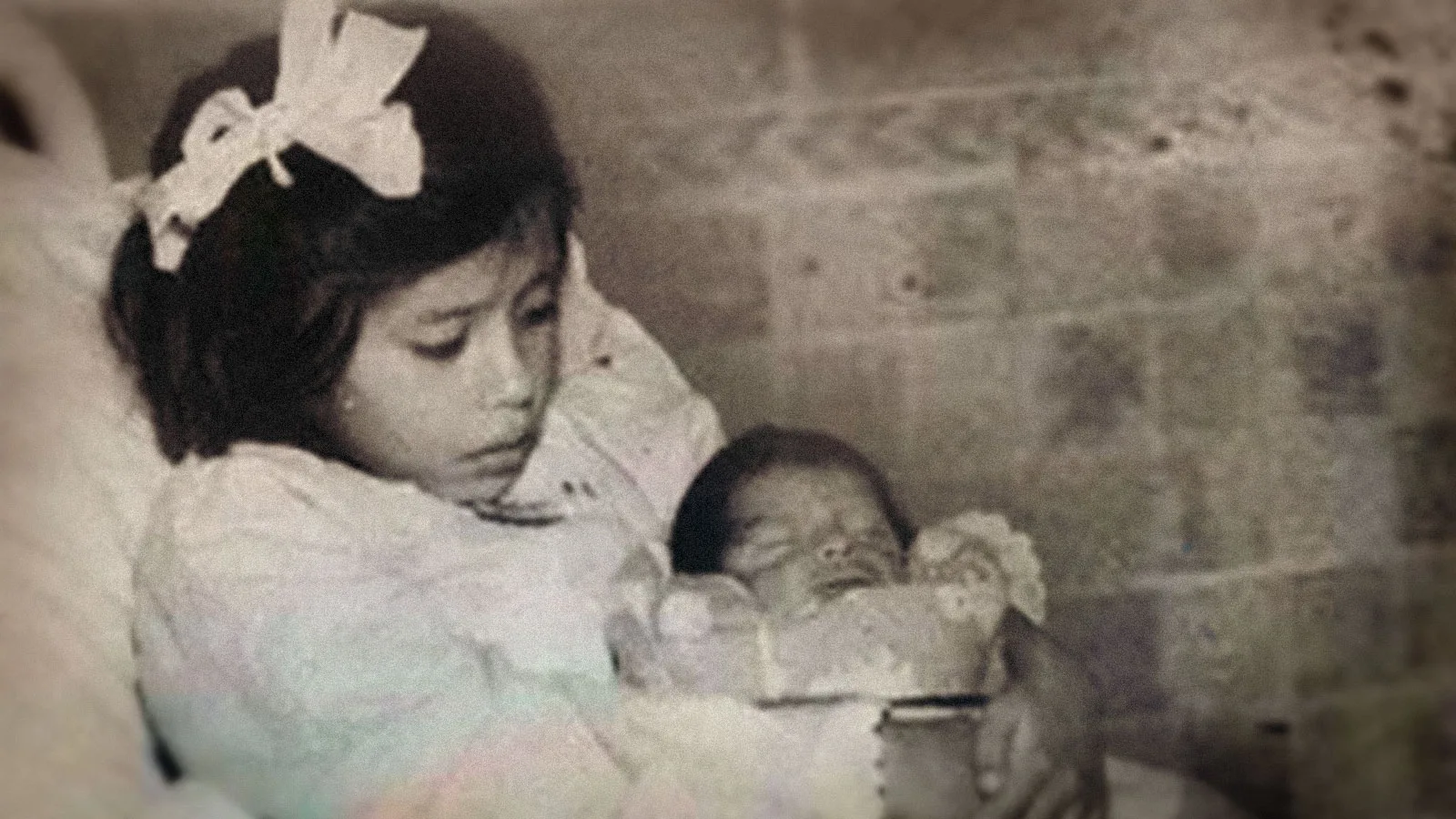
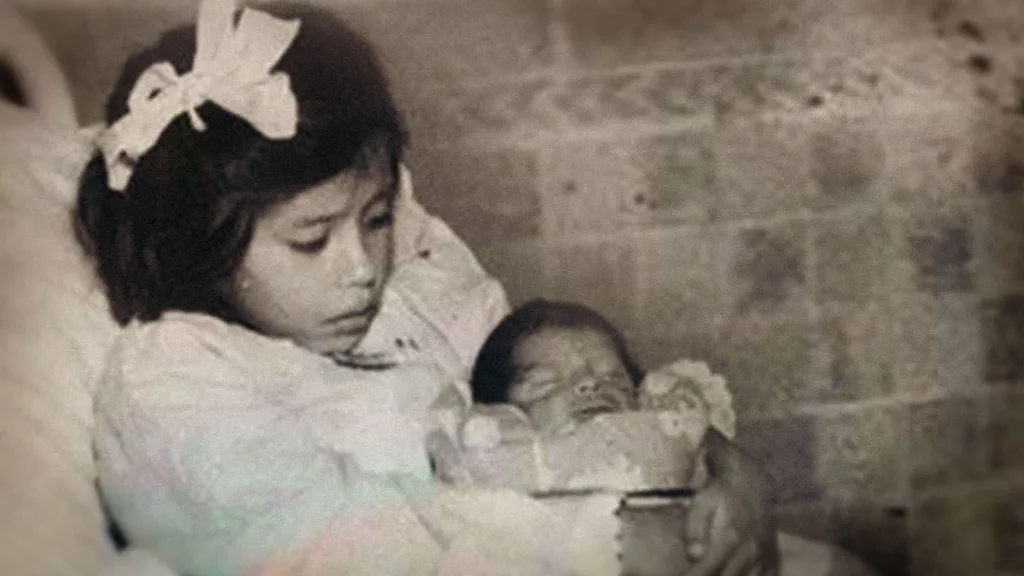
On May 14, 1939, Lina Medina delivered a baby boy via Caesarean section. Due to her small physical size, a natural birth was not considered safe.
The child, named Gerardo after the attending physician Dr. Gerardo Lozada, was born healthy. Despite the unusual circumstances, doctors reported no immediate complications for either mother or child.
Headlines around the world captured the moment. The idea of the youngest woman to give birth fascinated the public, but it also raised uncomfortable questions that were harder to answer.
Understanding Precocious Puberty
Medical examinations revealed that Lina’s body had undergone early development due to precocious puberty. This rare condition causes children to enter puberty far earlier than expected.
In Lina’s case, doctors noted several advanced physical traits:
- Developed reproductive organs
- Early onset of menstruation
- Accelerated bone growth
- Physical maturity beyond her age
Some accounts suggest she began menstruating extremely early, though reports vary. Regardless of the exact timeline, her condition made pregnancy biologically possible, though still extraordinarily rare.
Today, precocious puberty is better understood and can be treated, but in the 1930s, it remained largely mysterious.
The Unanswered Question: Who Was Responsible?
While the medical aspects of Lina Medina’s story are well documented, the identity of the child’s father has never been confirmed.
Given her age, it is clear that Lina was the victim of sexual abuse. However, no definitive evidence ever established who committed the crime.
Her father was briefly arrested during the investigation but later released due to lack of proof. Lina herself never identified an attacker, and it remains unclear whether she was able to understand what had happened.
This unresolved aspect continues to cast a shadow over the case, shifting attention from medical curiosity to a deeply troubling human story.
Life After Global Attention
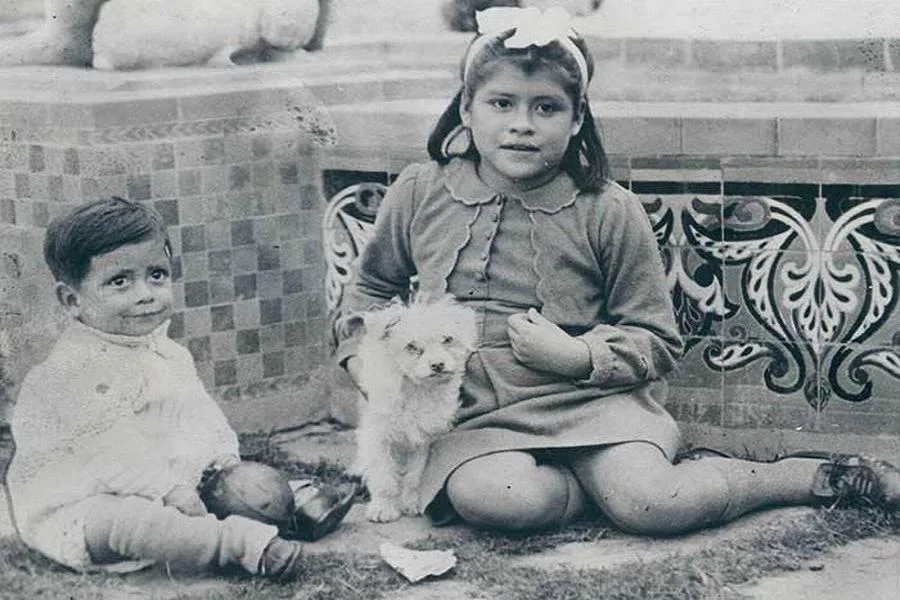
Despite intense media interest, Lina Medina and her family chose to remain private. Offers for interviews and public appearances were declined, even when financial incentives were significant.
For years, her son Gerardo was raised believing Lina was his sister. The truth was eventually revealed when he was older, reportedly during his early teenage years.
Doctors who followed up on the case described Gerardo as a healthy and intelligent child. He lived a relatively normal life but passed away at age 40 due to bone marrow disease.
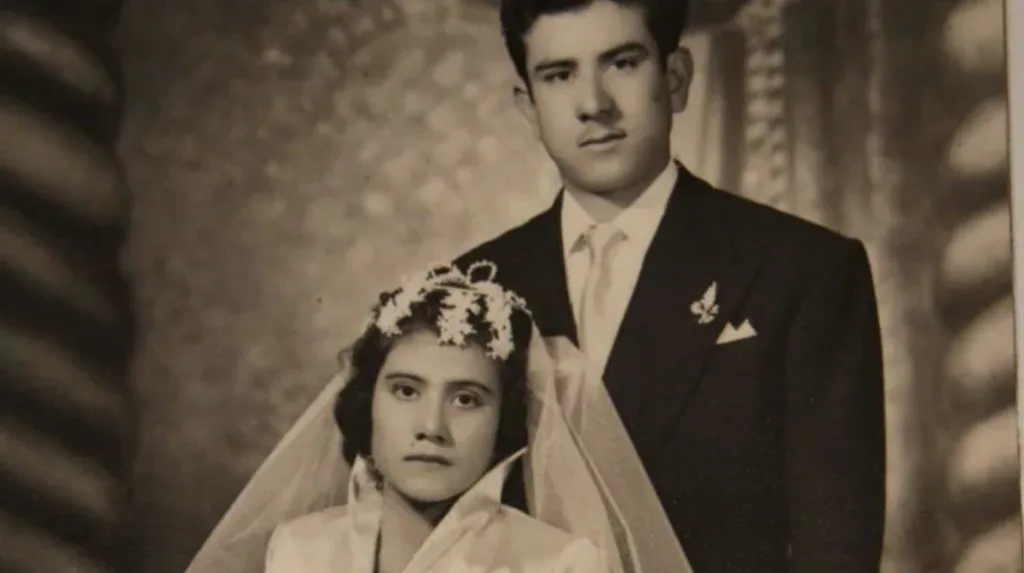
Lina herself avoided public life. She later worked for Dr. Lozada, the physician involved in her delivery, and eventually married. In adulthood, she had another child under typical circumstances.
A Case That Still Resonates
Nearly a century later, Lina Medina remains the world’s youngest mom ever medically confirmed. Her case appears in discussions of notable figures in medical history, not because of fame, but because of the profound questions it raises.
It also sits within the broader context of significant events in the modern era, where medicine, media, and ethics intersect in complex ways.
While some early skeptics questioned the authenticity of the story, medical documentation and physician testimony have consistently supported its validity.
Why Lina Medina’s Story Matters
This is not simply a medical anomaly. It is a reminder of how vulnerable children can be, especially in isolated or underserved communities. It also highlights how far medical science has come in understanding early development disorders.
The story of the youngest mother is often told for its shock value, but its deeper meaning lies in the intersection of biology, social conditions, and justice left unresolved.
Frequently Asked Questions
Who is Lina Medina?
Lina Medina is a Peruvian woman who became the youngest confirmed mother in history after giving birth at age five in 1939.
How did Lina Medina become pregnant?
She had a rare condition called precocious puberty, which caused early physical maturity. However, her pregnancy was the result of sexual abuse, though the perpetrator was never identified.
Was her child healthy?
Yes, her son Gerardo was born healthy and lived into adulthood, though he died at age 40 from illness.
Is Lina Medina still alive?
There is no confirmed public record of her death, but she would be in her late 80s or early 90s today if still alive.
Why is her case still discussed today?
Her case remains important due to its medical rarity and the unresolved criminal aspects surrounding her pregnancy.
