

Table of Contents
Andrei Romanovich Chikatilo, widely known as the Rostov Ripper, was a Soviet serial killer responsible for the murders of at least 53 victims between 1978 and 1990. His crimes exposed deep flaws in Soviet policing and left a lasting mark on criminal history.
The case of Chikatilo Andrei is one of the most disturbing in the late 20th century. His life, shaped by war, hunger, and personal turmoil, offers a grim window into how extreme circumstances and individual pathology can intersect in devastating ways.
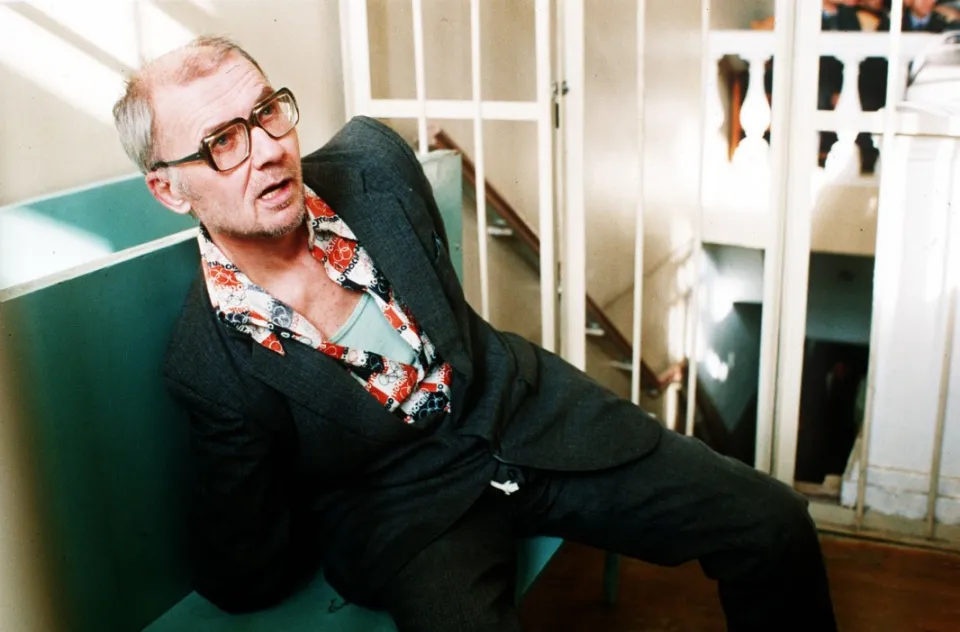
Early Life in a War-Torn Soviet Union
Andrei Chikatilo was born on October 16, 1936, in the village of Yabluchne in Soviet Ukraine. His childhood unfolded during one of the harshest periods in Soviet history. Famine and deprivation were part of daily life, and food scarcity shaped his earliest memories.
Stories from his upbringing reveal an atmosphere of fear and instability. He later claimed that his older brother had been abducted and killed during the famine, a story that, whether true or not, reflects the trauma surrounding him.
World War II intensified these hardships. When Nazi forces invaded the Soviet Union in 1941, Chikatilo’s father joined the Red Army. Left behind, young Andrei and his mother endured occupation, bombings, and the destruction of their home.
School offered little refuge. Though intelligent, Chikatilo was shy and physically weak from hunger. He was frequently bullied, and the stigma of his father’s capture as a prisoner of war only worsened his social isolation.
Struggles in Adulthood
After finishing school, Chikatilo attempted to enter Moscow State University but was denied admission. He believed his father’s wartime record played a role in that rejection. Instead, he trained as a communications technician and later served in the Soviet Army.
By the early 1960s, he had settled in Rostov-on-Don, where he married and began working. Eventually, he pursued higher education through correspondence courses and became a teacher of Russian language and literature.
Yet his professional life was unstable. Students often mocked him, and he struggled to maintain authority in the classroom. Behind the scenes, troubling behavior emerged. Complaints surfaced accusing him of inappropriate conduct toward students. Despite repeated warnings, he avoided serious consequences for years.
These patterns placed him among notable figures in criminal history, not for achievement, but for the disturbing escalation that followed.
The First Known Murder
In 1978, Chikatilo committed his first known हत्या. His victim was a nine-year-old girl, Yelena Zakotnova. He lured her to a secluded hut, where the attack turned fatal.
Despite evidence pointing toward him, investigators arrested another man, who was later executed for the crime. This miscarriage of justice allowed Chikatilo to remain free.
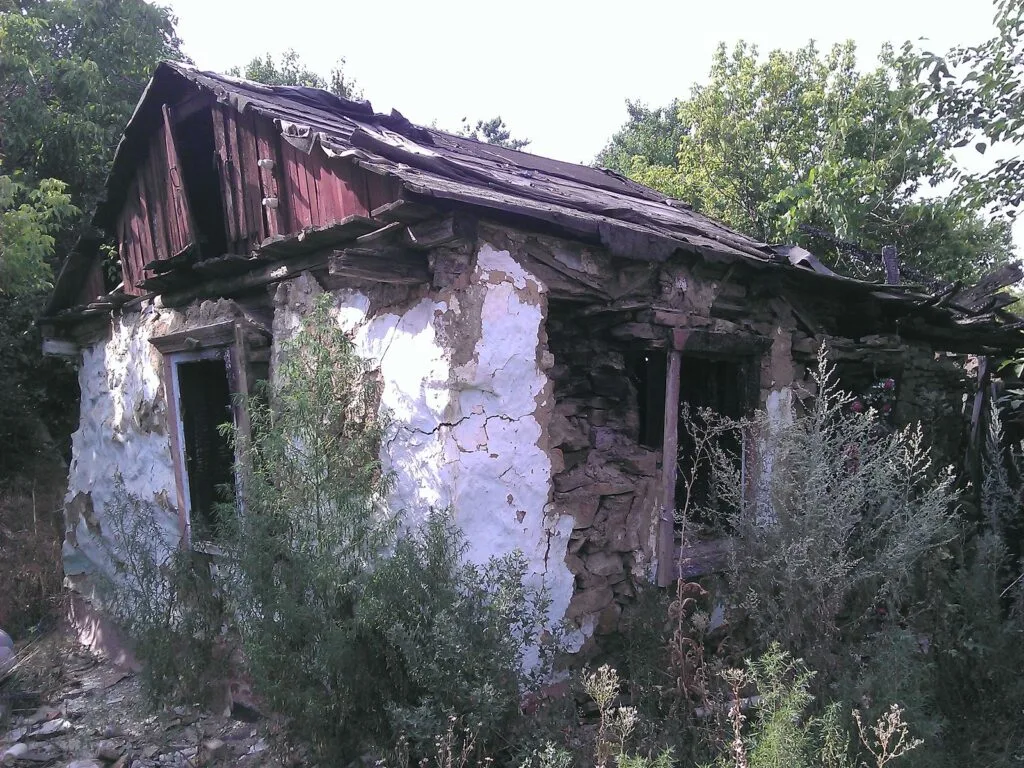
For several years, he remained dormant. Then, in 1981, he killed again. From that point forward, the violence became more frequent and more brutal.
A Pattern of Violence Emerges
Throughout the 1980s, Andrei Romanovich Chikatilo targeted vulnerable individuals, often children and young women. He typically approached victims in public places like train stations or bus stops, gaining their trust before leading them to isolated areas.
His crimes were marked by extreme brutality. Investigators later noted recurring patterns that helped link the cases:
- Victims were lured with promises of food, money, or alcohol
- Murders took place in secluded wooded areas
- Bodies often showed signs of severe mutilation
- He frequently revisited similar locations
By 1983, authorities realized they were dealing with a serial offender. This was a difficult admission in a system that rarely acknowledged such crimes publicly.
Investigation and Missteps
The hunt for the Rostov Ripper exposed serious weaknesses in Soviet law enforcement. Early investigative methods relied heavily on outdated assumptions. At one point, police detained Chikatilo in 1984 after observing suspicious behavior.
He was carrying a knife and other incriminating items, yet forensic testing appeared to clear him. A misunderstanding of blood group evidence led authorities to believe he could not be the killer. He was released.
This error proved costly. Over the next several years, the قتل spree continued.
Eventually, improved coordination and surveillance tactics began to close in on him. Investigators cross-referenced travel records, employment history, and witness accounts, slowly building a stronger case.
Arrest and Confession
In November 1990, Chikatilo was placed under close surveillance. Officers observed his repeated attempts to approach potential victims. Days later, he was arrested.
This time, investigators pursued more accurate forensic testing. A sample of his bodily fluids matched evidence from crime scenes. Faced with mounting proof, he confessed.
Chikatilo admitted to 53 murders, providing details that only the perpetrator could know. His confession confirmed years of suspicion and finally brought closure to a long and painful investigation.
Trial and Execution
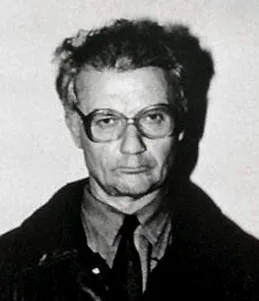
The trial of Chikatilo Andrei began in 1992 and drew widespread attention. His behavior in court was erratic, often shouting or behaving unpredictably.
Despite this, the evidence was overwhelming. He was convicted of 53 murders and sentenced to death.
On February 14, 1994, Andrei Chikatilo was executed by a single gunshot. His case remains one of the most infamous examples of serial murder in the Soviet Union.
Historical Impact and Lessons
The story of the Rostov Ripper goes beyond individual crimes. It highlights broader issues within Soviet society, including reluctance to acknowledge serial crime and limitations in forensic science at the time.
His case also contributed to changes in investigative practices. Profiling techniques, improved forensic methods, and better coordination between agencies became more widely accepted afterward.
For historians examining the societal impacts of crime in modern times, Chikatilo’s crimes serve as a stark reminder of how systemic failures can allow violence to persist unchecked.
FAQ
Who was Andrei Chikatilo?
Andrei Chikatilo was a Soviet serial killer active between 1978 and 1990. He was convicted of 53 murders and became known as the Rostov Ripper.
Why is he called the Rostov Ripper?
The nickname comes from the Rostov region where many of his crimes occurred, combined with the brutal nature of his attacks.
How was Chikatilo finally caught?
He was arrested in 1990 after surveillance and improved forensic testing linked him conclusively to multiple murders.
How many victims did Chikatilo have?
He confessed to 53 murders, which were confirmed during his trial.
When was Andrei Chikatilo executed?
He was executed on February 14, 1994, following his conviction.
