

Table of Contents
The phrase glasgow smile sounds almost harmless at first. In reality, it refers to one of the most disturbing forms of violence associated with early 20th century street gangs. Born in the crowded districts of Glasgow, this brutal practice became a grim symbol of poverty, rivalry, and social tension.
Short answer: A Glasgow smile, sometimes called the smile of Glasgow, is a facial mutilation where the corners of the mouth are cut toward the ears, leaving a permanent scar resembling an exaggerated grin. It originated in gang violence in Scotland, especially during the 1920s and 1930s.
Origins in an Industrial City
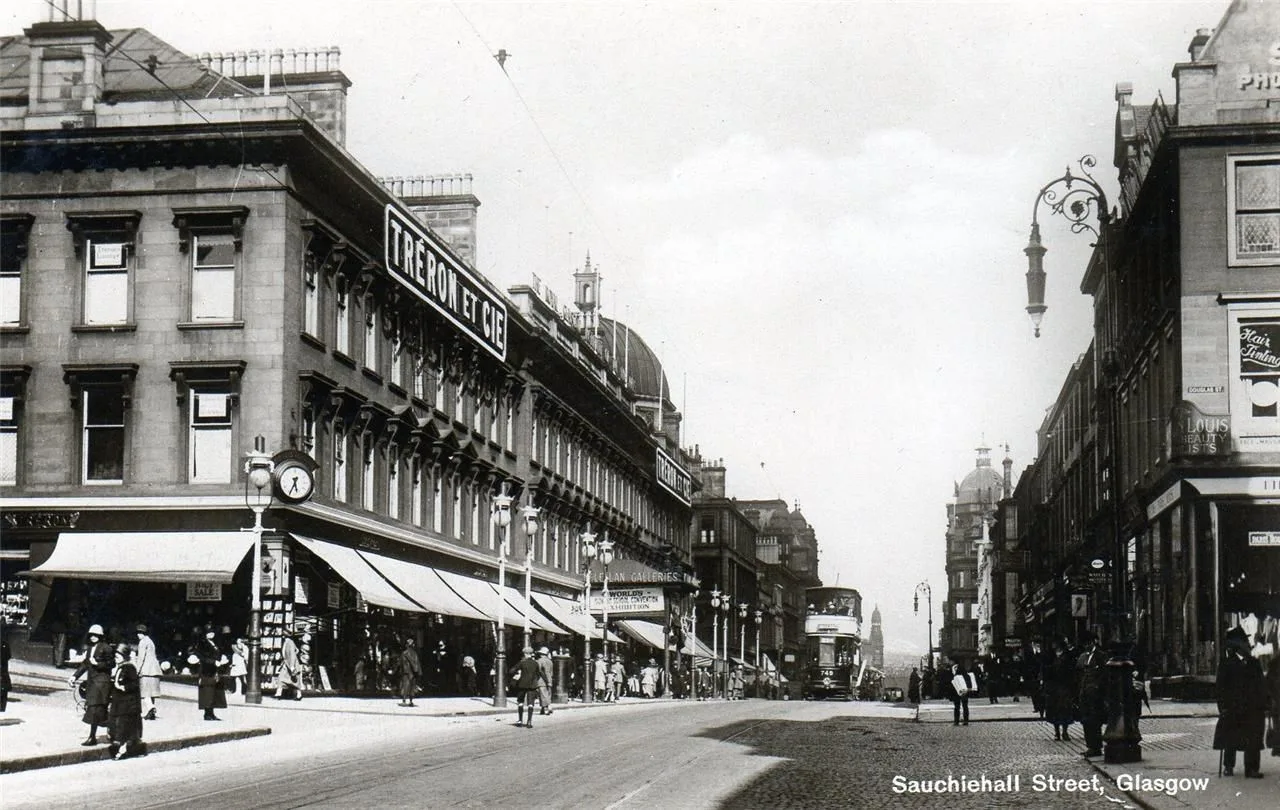
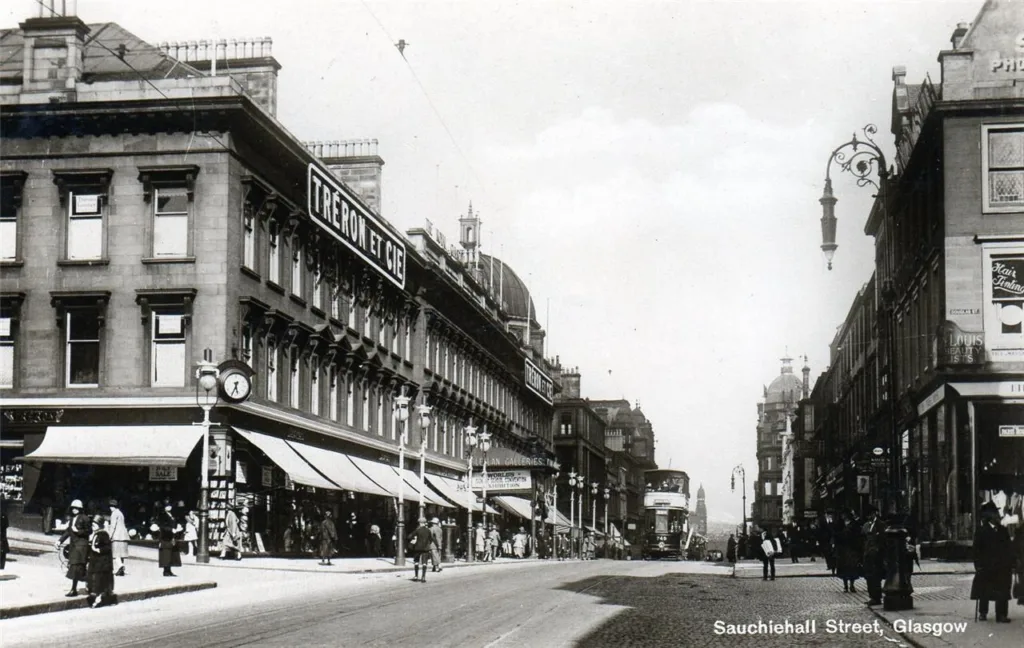
To understand the rise of the Glasgow smile, you have to look at Glasgow itself during the late 19th and early 20th centuries. The city was booming from industry, but that growth came at a cost.
Workers flooded into Glasgow looking for employment in shipyards and factories. Housing could not keep up. Entire families were crammed into overcrowded tenements, where sanitation was poor and opportunities were scarce.
This environment created fertile ground for crime. Young men, often with few prospects, formed gangs tied to neighborhoods, religion, or identity. Violence became part of daily life.
The situation worsened after World War I. Jobs became harder to find, and unemployment soared. In some areas, as many as a third of people were out of work. Tension simmered, then boiled over.
Sectarian Divides and Street Rivalries
Glasgow was not just divided by class. Religion played a major role as well. Protestant communities and Irish Catholic immigrants often lived side by side, but distrust ran deep.
Territories became clearly marked, even if unofficially. Crossing into the wrong neighborhood could be dangerous. Children grew up knowing which streets were safe and which were not.
These divisions fed directly into gang culture. Groups formed along both territorial and sectarian lines, making rivalries more intense and personal.
If you are interested in how social pressures shape violence, you can explore the context of medieval societal norms, where similar patterns appear under different conditions.
What Was the Glasgow Smile?
The Glasgow smile was not just random violence. It carried a message.
Attackers used knives or razors to cut from the corners of a victim’s mouth toward the ears. The resulting scars pulled into a grotesque grin, especially when the victim moved their face.
It was meant to humiliate as much as harm. A permanent mark. A warning to others.
- It was often carried out by gangs as punishment or retaliation
- Victims were sometimes restrained while the cuts were made
- The scars could last a lifetime, affecting both appearance and speech
This was not a rare occurrence during peak gang activity. Knife violence in Glasgow became so widespread that hospitals regularly treated facial injuries.
A Weapon of Reputation
In gang culture, reputation mattered. The Glasgow smile became a way to establish dominance without necessarily killing the victim.
A person bearing those scars told a story. It showed they had crossed the wrong people or lived through a brutal encounter. Either way, it carried weight on the streets.
This kind of symbolic violence has appeared in many cultures and periods, often tied to identity and power among notable figures throughout history and lesser-known groups alike.
Beyond Scotland: The Black Dahlia Case
Although the Glasgow smile is strongly linked to Scotland, the method spread beyond its original setting.
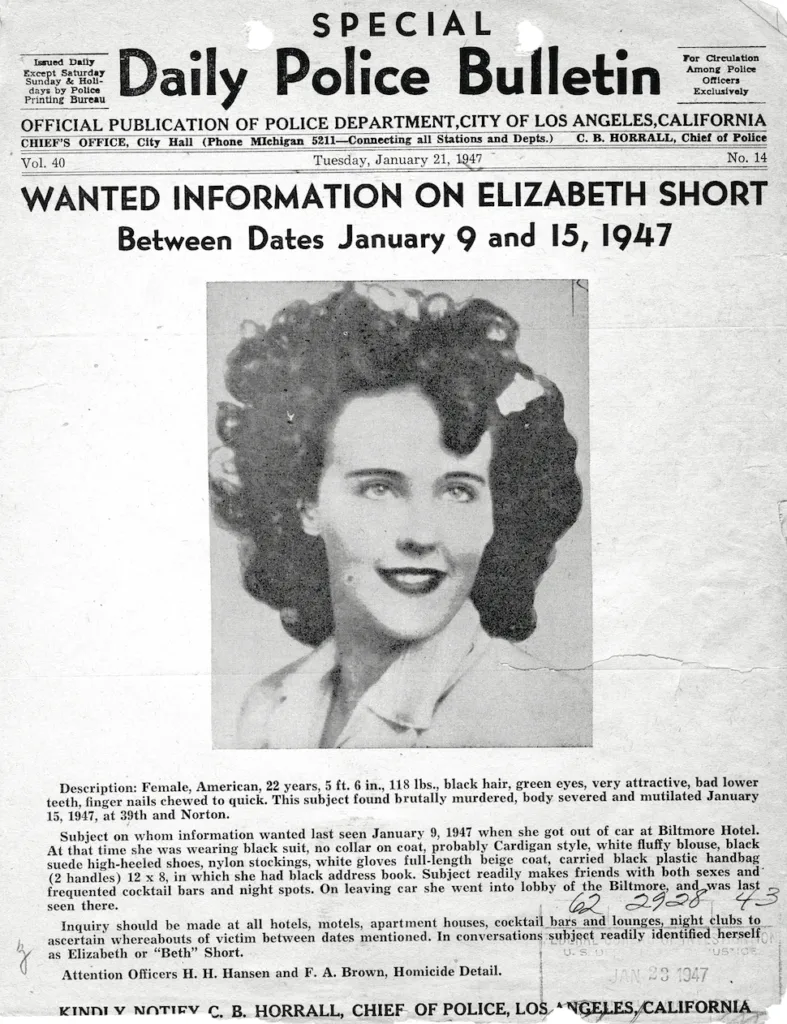
One of the most infamous examples appeared in the United States in 1947. Elizabeth Short, later known as the “Black Dahlia,” was found murdered in Los Angeles.
Her case shocked the nation. Among the many injuries inflicted on her body was a facial mutilation resembling the Glasgow smile. The press widely reported on this detail, cementing the connection in public imagination.
The crime remains unsolved to this day, adding to its notoriety. It also showed how certain forms of violence can cross borders, detached from their original context.
The Smile of Glasgow in Modern Times
By the late 20th century, Glasgow had begun to change. Efforts to reduce crime, improve housing, and provide social services made a noticeable difference.
At one point, however, the city had a reputation as one of the most violent in Western Europe. Knife crime was especially common, and facial injuries were frequently reported.
Even as conditions improved, the Glasgow smile did not entirely disappear. It still appears occasionally in criminal cases, though far less frequently than before.
Today, it survives more in cultural memory than everyday reality. Films, television, and popular media have borrowed the image, sometimes without understanding its historical roots.
From Street Violence to Pop Culture
Many people first encounter the concept through fictional characters. The exaggerated grin of comic book villains has drawn inspiration from real-world violence, including the Glasgow smile.
That connection can obscure the harsh truth behind it. This was not theatrical. It was born out of poverty, division, and desperation.
Why the Glasgow Smile Matters in History
The story of the Glasgow smile is not just about brutality. It reflects a specific moment in urban history where social pressure, economic hardship, and identity clashes combined in dangerous ways.
It reminds us that violence often has roots deeper than individual actions. It grows out of conditions. When those conditions improve, the violence tends to fade, though traces can linger.
Looking back at this period offers insight into how cities evolve and how communities respond to crisis. Glasgow itself has changed dramatically, moving far beyond the conditions that once fueled such acts.
FAQ
What is a Glasgow smile?
A Glasgow smile is a type of facial scarring caused by cutting from the corners of the mouth toward the ears, creating the appearance of an extended grin.
Where did the Glasgow smile originate?
It originated in Glasgow, Scotland, particularly during the 1920s and 1930s amid intense gang violence.
Why was it used?
It was used by gangs as a form of punishment, intimidation, or retaliation. The goal was to leave a lasting and visible mark.
Is the Glasgow smile still used today?
It is rare today but has not completely disappeared. It occasionally appears in modern criminal cases.
Is the Glasgow smile connected to the Joker?
The Joker’s exaggerated grin in popular culture is often inspired by the idea of a Glasgow smile, though it is fictionalized.
