

Table of Contents
The American Civil War has inspired countless films, but only a handful truly capture the realities of the conflict with care and historical grounding. From battlefield strategy to political maneuvering and civilian hardship, these stories offer more than entertainment. They provide a window into one of the most turbulent periods in United States history.
Short answer: The most accurate civil war movies include Gettysburg (1993), Glory (1989), Lincoln (2012), Ride with the Devil (1999), Andersonville (1996), Shenandoah (1965), and The Red Badge of Courage (1951). Each stands out for its attention to historical detail, from military tactics to lived experiences.
Why Accuracy Matters in Civil War Films
Films shape how many people understand history. When it comes to the Civil War, accuracy is not just about uniforms or weapons. It also involves portraying motivations, political tensions, and the human cost of the war.
The best american civil war films tend to rely on primary sources, respected historical works, and, in some cases, reenactors who bring authenticity to battle scenes. These choices help bridge the gap between storytelling and scholarship.
Gettysburg (1993)
Few movies of the american civil war match the scale and detail of Gettysburg. Directed by Ronald F. Maxwell, the film focuses on the pivotal 1863 battle in Pennsylvania.
What sets it apart is its commitment to realism. Military formations, dialogue, and leadership decisions reflect historical records. Figures like Robert E. Lee and Joshua Chamberlain are presented with nuance rather than myth.
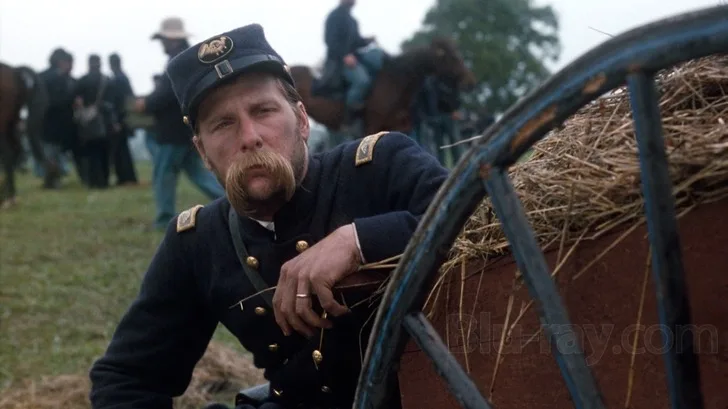
The use of thousands of reenactors gives the combat sequences a grounded, almost documentary-like feel. It is often considered one of the most accurate gettysburg movies ever made.
Glory (1989)
Glory tells the story of the 54th Massachusetts Infantry, one of the first Black regiments in the Union Army. Directed by Edward Zwick, it explores both heroism and hardship.
The film does not shy away from the discrimination these soldiers faced, even within Union ranks. Pay inequality, dangerous assignments, and skepticism from white officers are all depicted with historical backing.
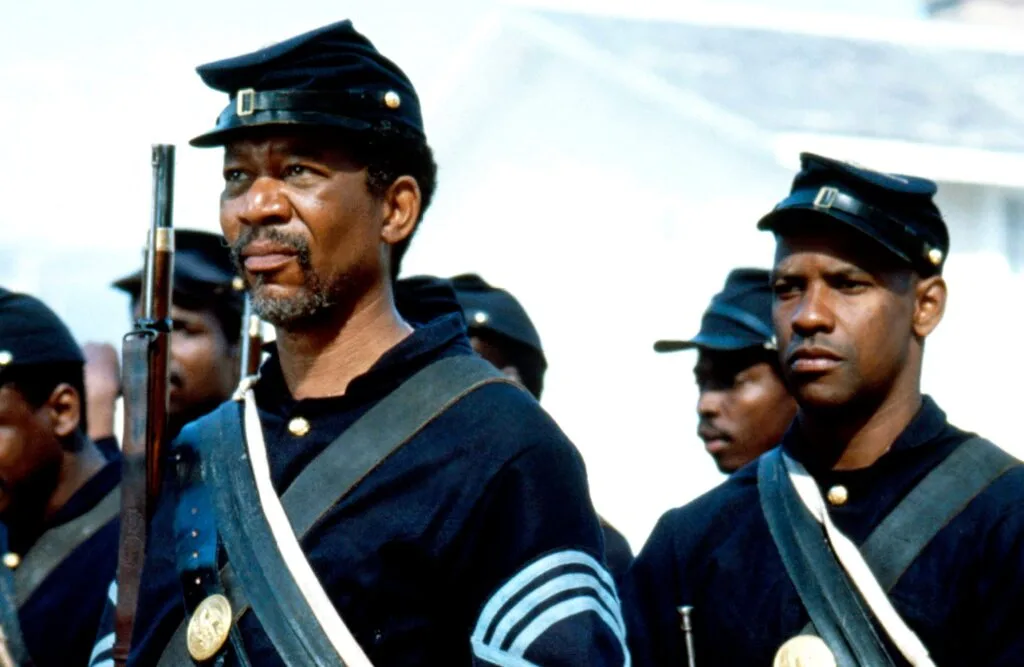
The assault on Fort Wagner stands as one of the film’s most powerful sequences. It reflects documented events while capturing the emotional intensity of the moment.
For those interested in notable figures from the Civil War era, this film offers a compelling look at individuals often overlooked in older histories.
Lincoln (2012)
Steven Spielberg’s Lincoln shifts focus away from the battlefield and into the political arena. The film centers on the push to pass the 13th Amendment in early 1865.
Daniel Day-Lewis delivers a portrayal grounded in historical accounts of Abraham Lincoln’s speech and demeanor. The film’s strength lies in its depiction of political negotiation, compromise, and pressure.
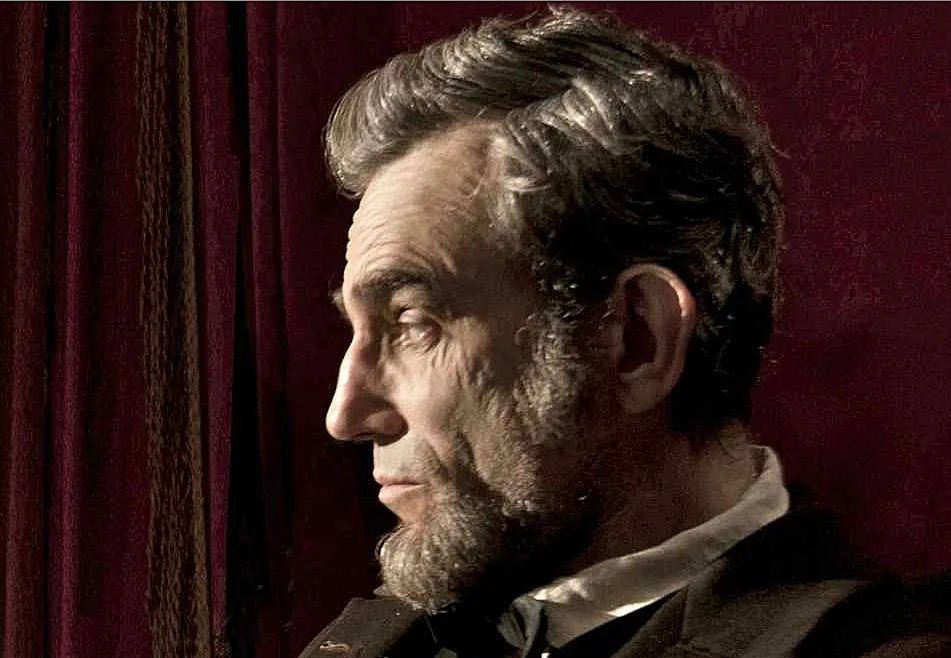
Rather than simplifying events, it shows how uncertain the outcome truly was. This makes it one of the best civil war films for understanding the war’s political stakes.
Ride with the Devil (1999)
Not all Civil War fighting happened in large, organized battles. Ride with the Devil, directed by Ang Lee, explores guerrilla warfare along the Missouri and Kansas border.
The conflict in this region was chaotic and deeply personal. Neighbors turned against each other, and loyalties shifted constantly. The film captures that instability with unusual honesty.
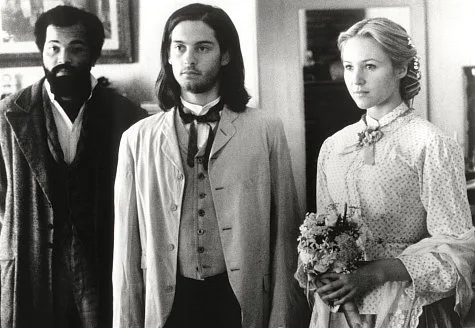
Events like the Lawrence Massacre are depicted with care, showing both the violence and its consequences. It is a reminder that the war extended far beyond traditional battlefields.
Andersonville (1996)
Andersonville offers a stark look at prisoner-of-war camps, specifically Camp Sumter in Georgia. Conditions there were among the worst of the war.
Overcrowding, disease, and starvation defined daily life. The film draws from survivor testimonies to recreate this grim environment.
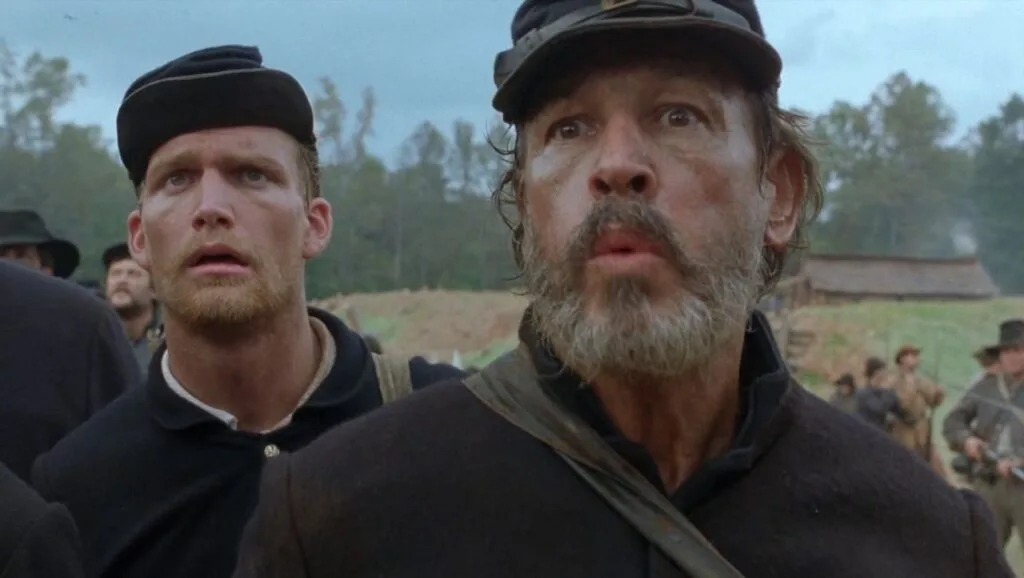
Rather than focusing on combat, it highlights endurance and moral collapse under extreme conditions. It stands out among civil war movies for its unflinching tone.
Shenandoah (1965)
Shenandoah takes a different approach by focusing on civilians. Set in Virginia’s Shenandoah Valley, it follows a family trying to remain neutral.
That neutrality becomes harder as the war encroaches on their lives. The film explores conscription, loss, and divided loyalties within communities.
While it includes fictional elements, its portrayal of civilian struggles reflects documented experiences from the era.
To better understand how these personal stories fit into the context of modern historical events, films like this are invaluable.
The Red Badge of Courage (1951)
Based on Stephen Crane’s novel, The Red Badge of Courage focuses on a young soldier’s internal struggle rather than a specific battle.
The film captures fear, doubt, and the search for courage. Audie Murphy, himself a decorated war veteran, brings authenticity to the role.
Its smaller scale works in its favor. Instead of sweeping narratives, it zooms in on the psychological reality of combat.
What Makes These Films Stand Out
- Attention to detail: Accurate uniforms, weapons, and tactics
- Strong source material: Many are based on respected books or firsthand accounts
- Balanced storytelling: They avoid simple hero narratives
- Human perspective: Focus on soldiers, civilians, and political leaders alike
Not every film on the Civil War gets these elements right. These selections do, which is why they continue to be recommended decades after their release.
FAQ: Civil War Movies
What is the most accurate Civil War movie?
Gettysburg (1993) is often considered the most accurate due to its detailed recreation of the battle and reliance on historical sources.
Are there any Civil War movies focused on African American soldiers?
Yes, Glory (1989) is one of the most notable, telling the story of the 54th Massachusetts Infantry Regiment.
Which Civil War film focuses on politics instead of battles?
Lincoln (2012) centers on the passage of the 13th Amendment and political maneuvering in Washington.
Are there Civil War movies about civilians?
Shenandoah (1965) explores how the war affected a farming family trying to stay out of the conflict.
What are good lesser-known Civil War films?
Ride with the Devil (1999) and Andersonville (1996) offer unique perspectives that are often overlooked.
