

Table of Contents
The Doublemint Twins: Advertising Icons Across Generations
The story of the Doublemint Twins is more than a quirky advertising idea. It reflects how brands evolved alongside American culture, television, and celebrity. For decades, Wrigley’s gum campaigns used pairs of twins to embody freshness, fun, and that memorable promise of “double the pleasure.”
Short answer: The Doublemint Twins were a series of real-life twin pairs used by Wrigley’s to promote Doublemint gum, beginning with illustrated figures in 1939 and transitioning to actual performers in 1959. Over time, many sets of twins became cultural figures through these advertisements.
From Peppermint to “Double” Appeal
Wrigley’s, founded in 1891, introduced Doublemint gum in 1914. The branding leaned heavily on the idea of “double,” suggesting longer-lasting flavor and greater enjoyment. By 1939, advertisers gave that idea a human face through illustrated twins featured in print ads.
This concept proved sticky in the best way. By the late 1950s, television had transformed advertising, and Wrigley made a key shift: hiring real twins to represent the brand on screen.
The First Doublemint Gum Twins on Television
Jayne and Joan Knoerzer
In 1959, Jayne and Joan Knoerzer became the first real double mint twins to appear in Wrigley’s campaigns. Known professionally as the Boyd twins, they came from a musical background rather than acting.
They recorded the catchy tune “Double Your Pleasure,” which became closely tied to the brand. Their advertisements often showed them enjoying everyday activities together, reinforcing the cheerful symmetry Wrigley wanted to project.
Curiously, they were not shown chewing gum in many ads. Even so, their presence defined the campaign’s early television identity.
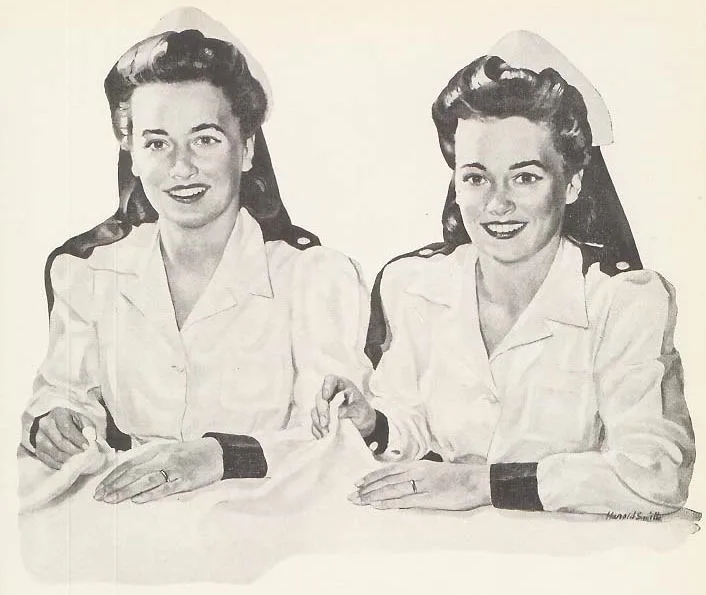
Their tenure ended in 1963 when one sister became pregnant, breaking the identical twin image that the campaign relied on.
A New Era of Performance and Patriotism
Terrie and Jennie Frankel
The next pair, Terrie and Jennie Frankel, stepped into the role as teenagers in 1963. Like their predecessors, they were musically talented and helped cement the famous jingle in public memory.
After leaving the campaign, they took a different path, performing for U.S. troops overseas during the Vietnam War era. Their appearances connected entertainment, patriotism, and the broader media landscape of the time.
Their later careers in writing and production show how the Doublemint platform often served as a launchpad.
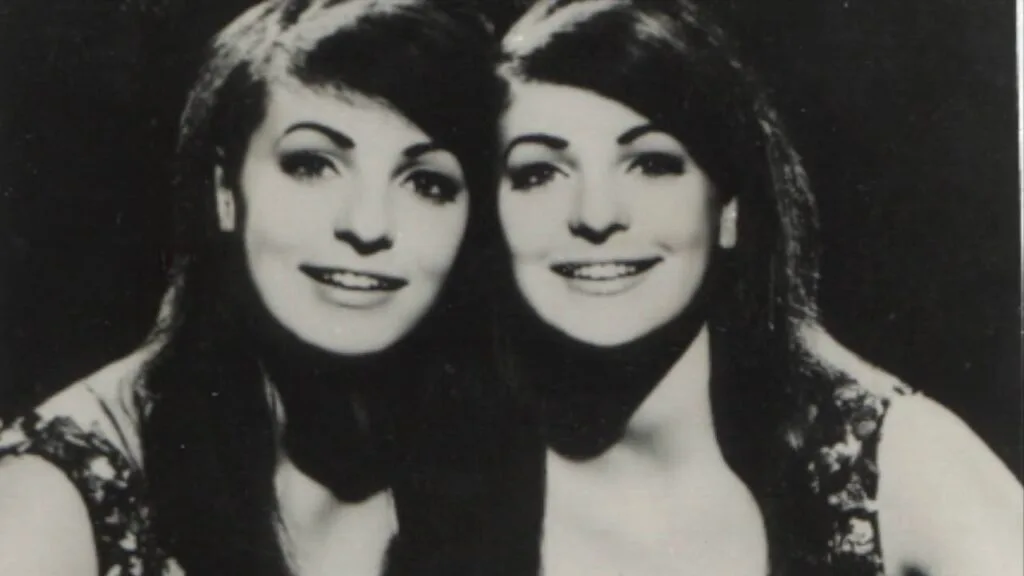
This period fits neatly into the evolution of marketing in the 20th century, when television personalities increasingly blurred the line between advertising and entertainment.
The Expanding Roster of Doublemint Twins
Over the decades, many twin pairs cycled through the campaign. Some faded quietly, while others leveraged the exposure into broader careers.
June and Patricia Mackrell
Originally associated with another brand, the Mackrell twins were recruited by Wrigley in the 1970s. Their move shows how competitive advertising had become, with companies actively seeking recognizable faces.
Patricia and Priscilla Barnstable
The Barnstable twins transitioned from advertising into television and modeling. Their later appearance in Playboy brought them a different kind of attention, illustrating how advertising fame could open unexpected doors.
Dian and Denise Gallup
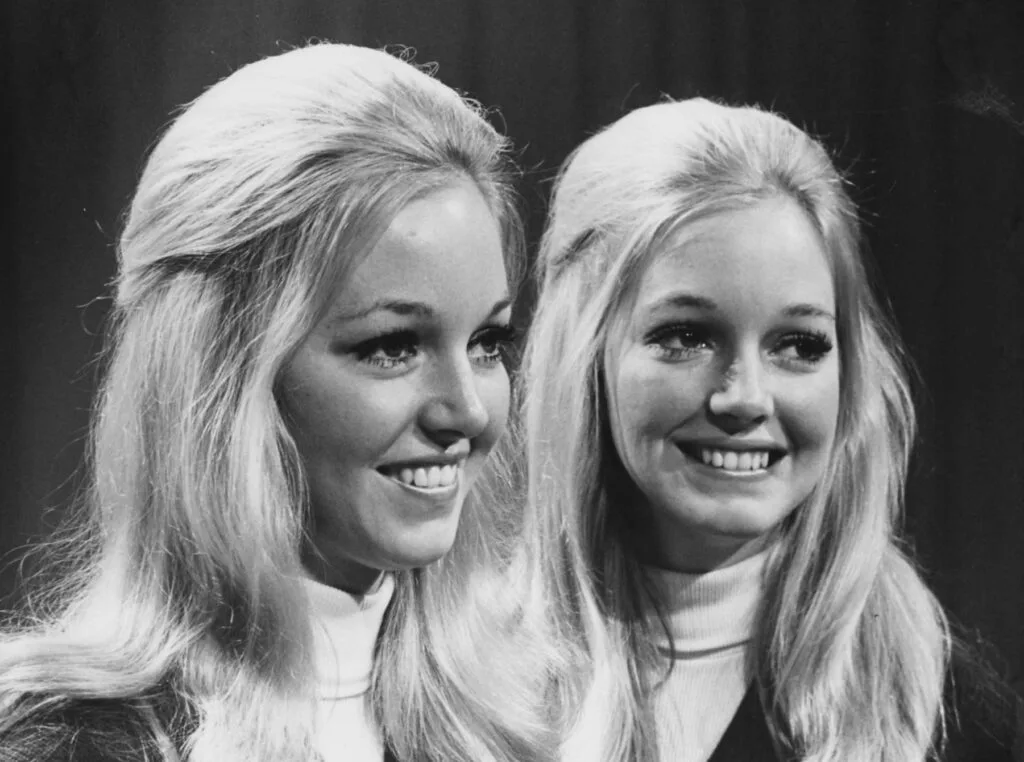
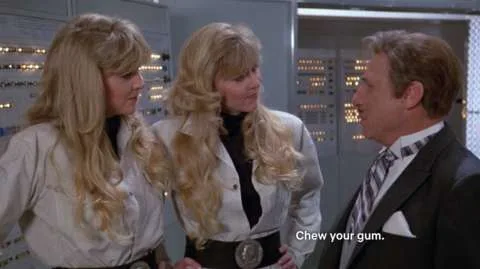
This pair took a humorous turn by parodying their own Doublemint image in the film Spaceballs. It was a rare moment when the campaign’s cultural reach became self-aware.
Liz and Jean Sagal
The Sagal twins, related to actress Katey Sagal, used their brief time as Doublemint representatives as a stepping stone into television. Their later work behind the scenes highlights the varied paths taken by these advertising figures.
The Longest-Running Doublemint Twins
Linda and Lisa Yokubinas
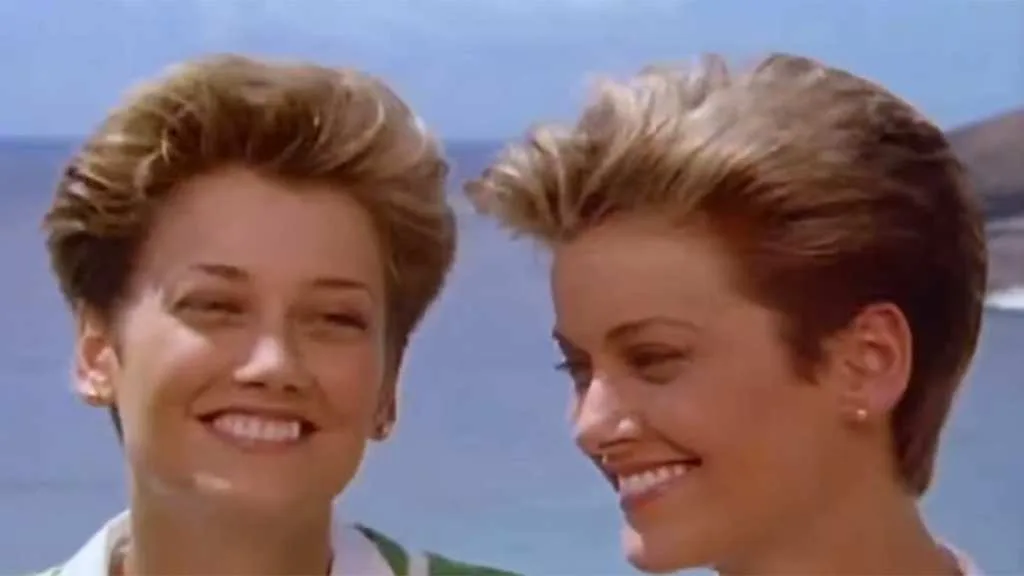
Among the most recognizable Doublemint gum twins were Linda and Lisa Yokubinas, who began in 1985. Their decade-long association with the brand made them fixtures in commercials.
They appeared in multiple ads and benefited financially through residual payments. Yet their story also reveals a downside. Being consistently cast as twins limited their individual opportunities in acting.
After leaving the campaign, the sisters experienced personal strain before eventually reconciling years later.
From Commercials to Television Stardom
Brittany and Cynthia Daniel
In the early 1990s, Brittany and Cynthia Daniel became the first fraternal twins to take on the role. Their time as double mint twins was brief, but it led directly to starring roles in the television series Sweet Valley High.
Brittany continued acting, while Cynthia eventually stepped away from the spotlight to pursue photography.
Tia and Tamera Mowry
Already familiar to audiences from Sister, Sister, Tia and Tamera Mowry also represented Doublemint during the 1990s. Their success before and after the campaign made them some of the most recognizable figures associated with the brand.
It’s worth noting that earlier pairs, such as Sharon Sansaverino and Sheryl Valenti, had already broken racial barriers in the campaign during the 1980s.
Many of these women now rank among notable historical figures in advertising, not for a single performance but for shaping a long-running cultural symbol.
The Modern Revival
Nicole and Natalie Gara
After a quieter period, Wrigley revived the concept in 2005 with Nicole and Natalie Gara. Their advertisements leaned into nostalgia, featuring vintage aesthetics and simple pleasures rather than high-energy spectacle.
In recent years, Wrigley has reduced its reliance on such campaigns, but the idea remains memorable. The image of twins representing “double” still resonates, even in a fragmented media landscape.
Why the Doublemint Twins Endured
The success of the Doublemint Twins comes down to a few simple ideas:
- Visual symmetry: Identical twins create an immediate, memorable image
- Brand clarity: The concept reinforces the “double” message without explanation
- Adaptability: Each generation of twins reflected current trends and values
It’s a rare campaign that lasted across so many decades without losing recognition. Few advertising concepts have managed the same longevity.
FAQ: Doublemint Twins
Who were the original Doublemint Twins?
The first real Doublemint Twins were Jayne and Joan Knoerzer, who began appearing in Wrigley advertisements in 1959.
When did the Doublemint Twins campaign start?
The concept began in 1939 with illustrated twins, but real twins were introduced in television ads starting in 1959.
Were all Doublemint Twins identical?
Most were identical, but Brittany and Cynthia Daniel were fraternal twins, marking a notable exception.
Did any Doublemint Twins become famous?
Yes. Several went on to successful careers, including Tia and Tamera Mowry and Brittany Daniel.
Are the Doublemint Twins still used today?
The campaign has largely been scaled back in recent years, though it was briefly revived in 2005 with a new pair of twins.
